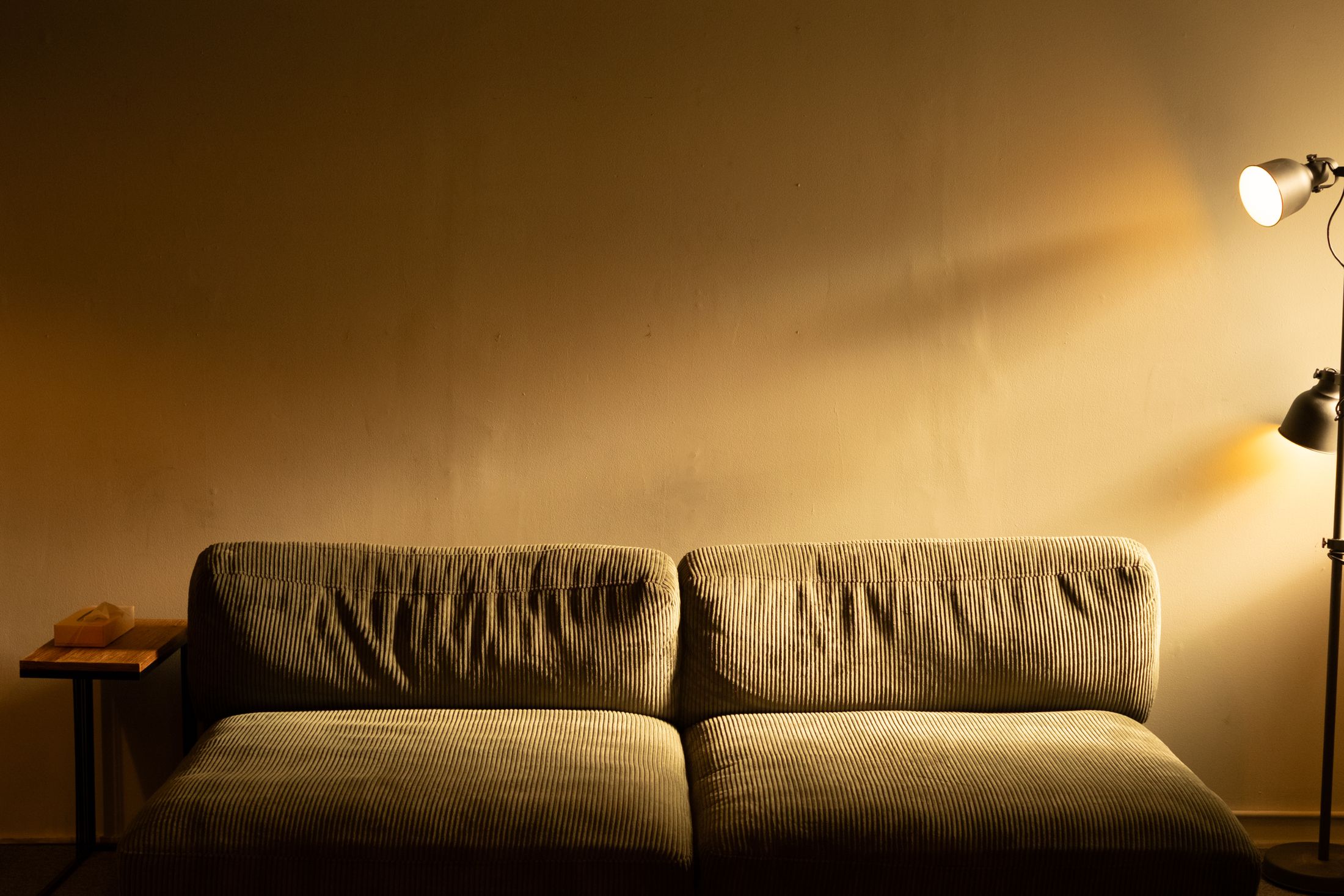
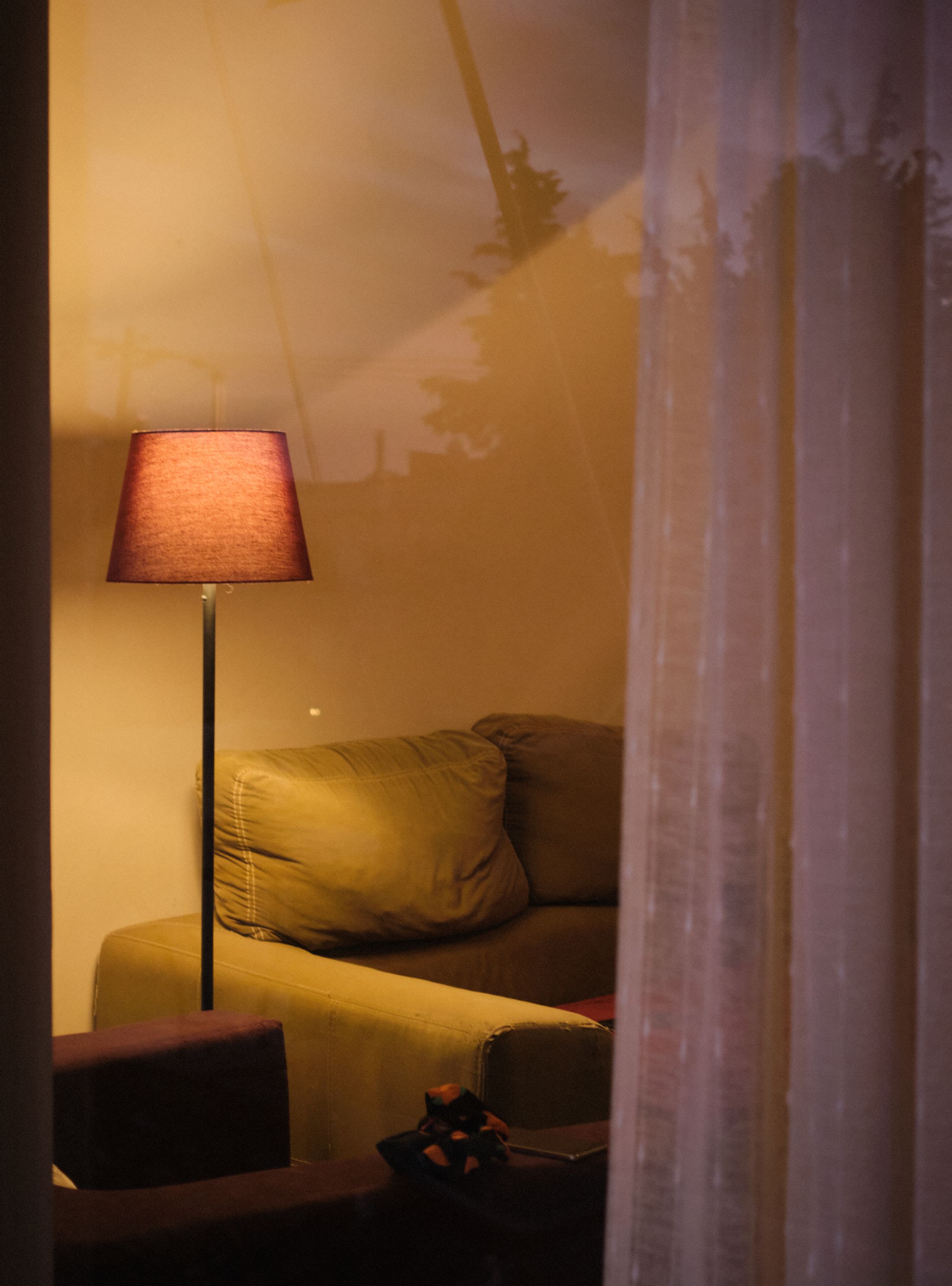
A living room has several lives. It is where someone reads, where friends gather, where the afternoon light falls. Asking it to become a cinema for a few hours should feel like a natural change of mood, not an eviction of everything else that makes it home.
Start with the seat you actually use
Draw the room as it is, including doorways, windows, storage and walking routes. Mark where you usually sit. From there, check the view of the screen and the positions where speakers could realistically go. A plan that depends on moving half the furniture every evening is unlikely to become a habit.
Sit for long enough to notice comfort. Can you relax your shoulders? Is the screen at an angle that feels easy to watch? Can someone enter without stepping over cables? These questions establish the room’s priorities before you start filling it with equipment.
Work with the room’s edges
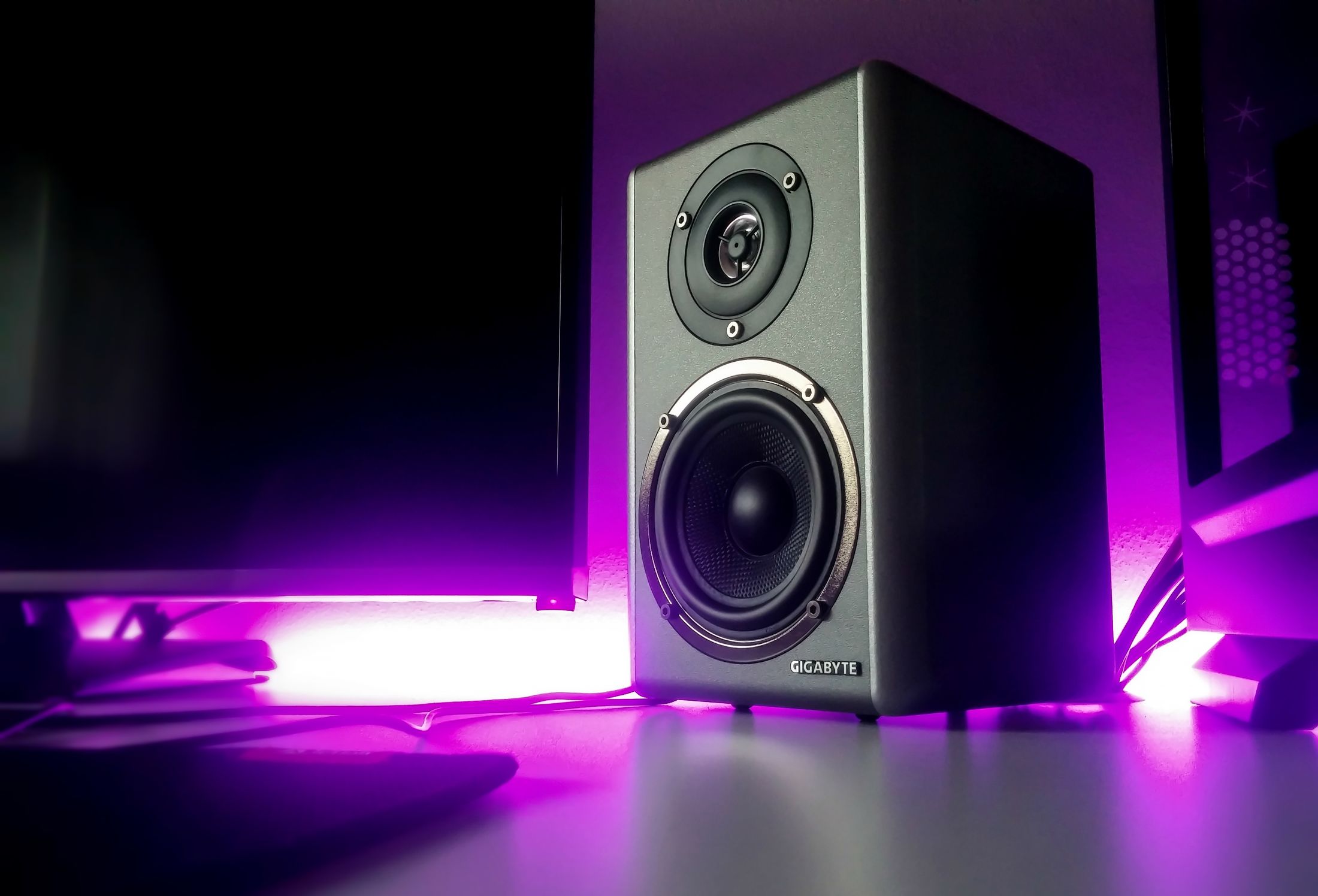
Try to give the left and right speakers a balanced relationship to your main seat. For a centre speaker beneath the screen, keep the front clear and consider its direction towards the listener. SVS’s placement guidance is a useful reference for these starting positions; the precise arrangement depends on your speakers and room.
A room can look symmetrical on paper and still have very different surfaces on either side. Notice what is glass, what is open and what is covered. Everyday furnishings may change how the room sounds, but a rug or curtain is not a substitute for a measured acoustic treatment plan. Begin with observation before buying a solution.
Your room does not have to be bigger. It has to feel considered.
Give the transformation a rhythm
Create a short routine you can repeat. Close the curtain. Switch to the lamp you prefer in the evening. Put the remote in one place. Move a small table only if it takes a moment and has somewhere obvious to go. The simpler the ritual, the more often the room will become a cinema.
Think about where accessories live when the film ends. A home that absorbs its equipment gracefully can feel more inviting than one arranged around permanent demonstration mode. Keep ventilation and access requirements in mind when choosing furniture for electronics; follow the equipment manufacturer’s clearances.
Make room for the people
The main seat matters, but so does the person at the end of the sofa. Try the room from more than one position. Ask what is comfortable and what is distracting. A shared evening is better served by an arrangement everyone enjoys than by a technically ambitious plan that leaves one guest craning their neck.
Let the room evolve through use. Write down the one thing that interrupts your evenings most often, and address that first. You may find the next improvement is a curtain, a clearer walking route or simply a better place to put a cup. Scale does not decide whether a room feels special. Attention does.